What defines effective typography for notebooks?
Minimalist sans serif fonts for journal titles help readers scan information quickly without distraction.
These characters remove decorative curves that clutter small spaces on a cover page or notebook spine.
You prioritize legibility over artistic flair when selecting type for functional writing tools.
Visual noise competes with actual content if the header dominates the layout unnecessarily.
Simple geometry creates a calm atmosphere that encourages consistent entry habits over time.
How does your goal influence your font choice?
Different daily tasks demand specific visual weights and structures to remain organized throughout the week.
If you document trips or daily adventures, explore modern typefaces designed for travel journal covers.
These selections offer warmth while staying legible under varied lighting conditions outdoors.
Clients managing detailed reports need seriousness and stability in their printed corporate records.
Select options similar to clean fonts tailored for business journal covers to project reliability.
Avoid heavy serifs that slow down comprehension during busy meetings where minutes matter.
Planners organizing complex schedules benefit from high contrast between headings and data lists.
Try the best sans serif choices for bullet journal covers to improve system speed.
Compact spacing allows more notes to appear on a single facing page without cramping margins.
Balance negative space with text mass so the eye rests comfortably on key entries.
Bold weights signal importance while light strokes invite casual reading.
Which mistakes ruin a professional look?
Kerning issues occur when individual letters sit too far apart or overlap unintentionally.
Budget design software often defaults to poor tracking settings that widen text blocks significantly.
Check your document preview carefully before committing to large print runs or production costs.
Ink bleed happens frequently with thicker strokes on low-quality porous paper types.
Solve this issue by thinning the stroke weight if you purchase standard office supplies.
Color contrast also matters significantly when placing white ink against dark cardstock sheets.
Ensure your chosen palette survives fading or scuffing over months of regular handling.
Using overly decorative scripts alongside plain text confuses the visual hierarchy instantly.
Can you fix alignment errors yourself?
Manual editing requires patience but saves money on professional redesign fees.
Start by adjusting character spacing to fill gaps between distinct letter groups effectively.
Tighten the vertical distance between lines if the title feels disconnected from the subtitle.
Align center titles strictly against the physical edge of the book binding or spine.
Asymmetry works if both sides maintain equal visual weight regardless of margin size.
Download free vector editors to tweak outlines before sending files to a printer.
Quick steps to finalize your selection
- Print a single test page using your intended material and finish.
- Hold the sample three feet away to verify quick legibility at a glance.
- Measure the time required to read a standard title line accurately.
- Compare two different weights to find the right balance for your audience.
- Test durability by rubbing the surface gently with a finger.
- Confirm the file format matches your printing service requirements.
This process saves time and money by preventing wasted print batches later.
Your journal becomes a tool rather than a display object when you follow these rules.
Focus on function first to ensure long-term satisfaction with your stationery investment.
Keep the design open-ended to allow flexibility for future changes.
Consistency across multiple books builds a recognizable personal brand quickly.
Download Now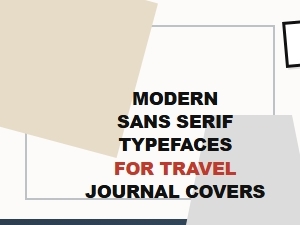 Modern Sans Serif Fonts for Travel Journals
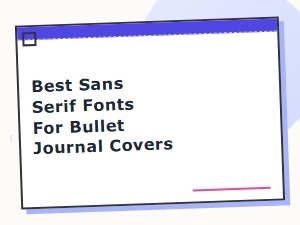 Best Sans Serif Fonts for Bullet Journal Covers in 2024
 Simple Sans Serif Fonts for Personal Diary Covers
 Elegant Sans Serif Fonts for Beautiful Wedding Journal Covers
 Clean Sans Serif Fonts for Business Journal Covers
 Minimalist Decorative Font Pairings for Journals